Gardeners permit rules for Regents Park boundary works
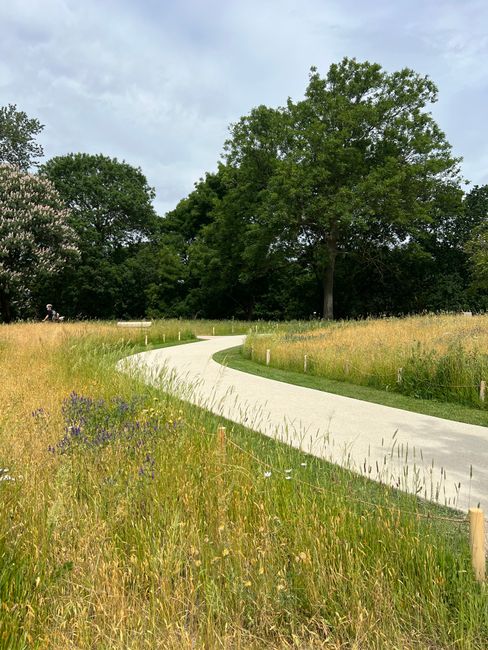
If you are planning garden changes near Regent's Park, the phrase Gardeners permit rules for Regents Park boundary works can sound more complicated than the job itself. In practice, it usually means one simple thing: before any work touches a boundary, edge, fence line, wall, hedge, access route, or shared surface, you need to know what permission, notice, or site-specific approval may be required. That matters whether you are tidying a small front boundary, reshaping planting near a rail or wall, or organising more involved landscaping. Get it wrong and you can lose time fast. Get it right, and the whole job feels calmer, cleaner, and far less stressful.
This guide breaks the subject down in plain English. You will find out why boundary works are treated carefully, how permit-style rules tend to work, who should pay attention, and what a sensible process looks like before any spade hits the soil. We will also cover common mistakes, practical checks, and a few real-world examples from the kind of projects that often trip people up. Truth be told, boundary work is rarely just "gardening" once other parties, structures, or access rights are involved.
Expert summary: When work is close to a boundary, assume there may be extra controls even if the task looks small. Check ownership, access, safety, and the scope of the work first; then decide whether you need permission, notice, or a more formal approval route.
Why Gardeners permit rules for Regents Park boundary works Matters
Boundary work is where routine garden care starts to overlap with property management, neighbour relations, and sometimes formal permissions. Around Regent's Park, that can be especially sensitive because gardens, frontages, courtyards, shared access, and managed estates often sit close together. Even a straightforward job like hedge trimming can become complicated if the hedge belongs to a shared boundary or if the work affects sightlines, access, or protected features.
The biggest reason this matters is simple: boundary issues are rarely only about plants. They can involve fences, low walls, paving edges, roots, drainage runs, storage areas, and access paths. One minute you are planning a tidy cut; the next you are checking who owns the fence and whether equipment can be brought in without crossing a protected or shared area. That is where a permit mindset helps.
Let's face it, the problem is not the pruning shears. It is the risk of doing a job that seemed minor but should have been coordinated first. If work crosses into a managed boundary, it can be delayed, challenged, or even require reinstatement. For homeowners, landlords, managing agents, and gardeners alike, the cost of a quick mistake is usually more than the cost of a careful check.
There is also a reputational angle. If you are a gardener, landscaper, or property manager, being seen to handle boundaries properly builds trust. A clean, well-organised project looks professional. A rushed one with damaged edging, bent fencing, or unapproved clearance looks... not great. And once that happens, everyone remembers.
How Gardeners permit rules for Regents Park boundary works Works
There is no single universal "gardeners permit" that applies to every boundary works job in Regent's Park. In reality, the rules usually come from a mix of property ownership, estate management, landlord requirements, local constraints, health and safety duties, and the type of work being carried out. That is why the process needs to be treated as a short workflow rather than a one-off checkbox.
The first question is ownership. Is the boundary private, shared, leasehold, managed, or part of a wider estate arrangement? The second is scope. Are you doing soft landscaping, hedge trimming, minor repairs, tree work, or something that touches the structure itself? A hedge clip is one thing; removing a boundary tree stump or resetting a fence line is another entirely.
Then comes access. Will machinery or waste be moved through communal space? Will ladders, saws, or loaders be used near pedestrians, parked vehicles, or public-facing areas? If yes, the job may need more coordination and a clearer method statement, even if the work is not formally "permitted" in the way people often imagine.
In some cases, you may also need written approval from a freeholder, managing agent, conservation body, or other controlling party before work starts. In others, you may simply need to notify the right people and keep records. The key is not to assume. Ask first, document everything, then proceed. That simple habit saves a surprising amount of drama.
If the project expands into wider garden renewal, it is worth looking at the broader scope as well. Services such as ongoing garden maintenance, landscape gardening, or full landscaping work often bring boundary questions into the open early, which is exactly what you want.
Key Benefits and Practical Advantages
Getting the permit and boundary side right is not just about avoiding trouble. It also makes the job better. Cleaner planning, better sequencing, less rework. You feel it on site straight away.
- Fewer delays: If approvals are sorted first, crews do not get held up by last-minute objections or access issues.
- Lower damage risk: Boundary features such as walls, gates, edging, and roots are easier to protect when the scope is clear.
- Better neighbour relations: This is a big one. People are far more relaxed when they know what is happening and when.
- Cleaner budgeting: A job with clear permissions and site conditions is easier to quote accurately.
- Stronger workmanship: Good boundary planning tends to produce neater lines, better finishes, and fewer awkward compromises.
There is also a practical advantage that does not get talked about enough: once the boundary questions are solved, the rest of the garden decision-making gets easier. You know where the working line is. You know what can stay. You know what has to be protected. That clarity is worth a lot.
For larger projects, proper boundary planning also supports safer work practice. If machinery, waste removal, or access staging is needed, a team that has already reviewed boundaries can reduce mess and prevent accidental knock-on issues. If you are also dealing with heavy clearances, it can help to read about garden clearance support or tree lopping and removal before work starts.
Who This Is For and When It Makes Sense
This topic is relevant to more people than you might expect. In the Regent's Park area, boundary works can involve private homes, managed blocks, estate courtyards, and gardens that back onto shared or tightly controlled spaces. If the work touches an edge, there is a good chance more than one person has an opinion on it.
You should pay close attention if you are:
- a homeowner planning hedge reductions, fence replacement, or boundary planting changes
- a tenant or leaseholder who needs approval before altering a shared or visible boundary
- a managing agent coordinating works for a block or estate
- a gardener or landscaper quoted to work near a boundary line
- a property owner preparing a garden for sale, rental, or refurbishment
- anyone whose planned work could affect access, sightlines, drainage, or neighbouring land
It also makes sense when the work looks ordinary but the setting is not. A small job in an ordinary back garden may need little more than a sensible plan. The same job near a boundary wall, communal path, or managed frontage can demand proper notice and a more careful sequence. Different context, different rules. Simple as that.
If you are unsure whether your project is just garden care or something more formal, start by comparing the scope against routine maintenance. A good place to begin is the practical service information on services overview and the specific detail on hedge trimming or lawn mowing if your boundary work is part of a wider tidy-up.
Step-by-Step Guidance
If you want to handle boundary-related gardening properly, use a simple sequence. It does not have to be fancy. Just reliable.
- Define the work clearly. Write down exactly what will be done: trimming, cutting back, repair, removal, reshaping, planting, edging, or access work. Vague scopes are where mistakes begin.
- Identify the boundary type. Is it private, shared, leased, estate-managed, or adjacent to a communal area? If you do not know, do not guess.
- Check ownership and responsibility. Look at deeds, lease documents, management notes, or the relevant property records available to the decision-maker. Even a rough internal check helps.
- Ask whether approval is needed. Some works need written consent. Others may only need notification. The point is to confirm which category you are in before booking anyone.
- Review access and safety. Think about where people walk, where waste will go, and whether tools or machinery need protection measures.
- Agree the work method. Decide how the boundary will be protected, what will happen to clippings or arisings, and where the finish line should sit.
- Get everything in writing. Even a short email can prevent later disagreement. If plans change, update the record.
- Carry out the work carefully. Mark the line, protect surfaces, and keep one eye on the surrounding edge at all times. Boundary work rewards patience.
- Check the finish. Walk the boundary, photograph the result if needed, and note anything that may require follow-up.
A small observation from site life: the best boundary jobs are usually the boring ones. No drama, no rushing, no "we'll sort it later." The job starts tidy and ends tidy. Lovely, really.
Expert Tips for Better Results
Here is where a bit of experience makes a difference. Not every garden issue needs a formal approval process, but boundary work should be treated with more respect than routine mowing. That extra caution pays off.
- Mark the line before starting. A visible line on the ground or a shared understanding of the limit prevents overcutting.
- Use the least disruptive method first. Manual trimming can be better than machinery when the boundary is tight or delicate.
- Protect hard surfaces. Boards, mats, or simple guarding can help avoid scuffs on paving and decking.
- Think about nesting, wildlife, and seasonal growth. In spring and summer, growth can hide boundaries and make cutting patterns less obvious.
- Take photographs before and after. Not for show. For clarity. A few simple images settle most disagreements quickly.
- Keep clippings under control. Loose debris near a boundary can drift, stain, or become a neighbour issue by tea time.
If the work is part of a broader refresh, coordination matters too. A boundary line can affect planting design, drainage, access, and the visual balance of the whole space. Sometimes the smartest move is to fold boundary works into a larger plan that includes landscaping or decking services, rather than tackling each piece separately.
And one practical truth: if a gardener says, "That might be fine," ask what it depends on. The answer is usually the useful part.
Common Mistakes to Avoid
Most boundary problems are not dramatic. They are ordinary mistakes made a little too quickly.
- Assuming the boundary is yours. Plenty of people have done this. It rarely ends well.
- Starting before approvals are clear. Once work begins, people become much less relaxed about permissions.
- Ignoring access routes. A job can be properly approved and still cause problems if tools or waste block shared pathways.
- Overcutting hedges or shrubs. A "small trim" can become a visible dispute if the shape or screening value changes too much.
- Failing to protect roots, fences, or walls. Boundary features often hide expensive surprises just below the surface.
- Not documenting changes. If questions come later, memory alone is a shaky defence. To be fair, memory is not exactly site-record quality.
Another easy mistake is treating boundary work like a one-day job when it is really a two-stage task: first the permission and planning, then the actual gardening. That distinction matters, especially where neighbours, managing agents, or lease conditions are involved.
Tools, Resources and Recommendations
You do not need a huge toolkit, but you do need the right habits. Good records and a clear scope are as useful as a sharp blade.
| Need | Practical recommendation | Why it helps |
|---|---|---|
| Boundary clarity | Site notes, marked lines, written scope | Prevents overreach and confusion |
| Work protection | Boards, guards, sheeting, soft ties | Reduces damage to surfaces and planting |
| Access planning | Simple entry/exit plan and waste route | Stops the job from becoming chaotic |
| Record keeping | Photos before and after, brief approval notes | Makes disputes easier to resolve |
| Contract clarity | Written quote and scope confirmation | Helps everyone understand what is included |
For households and landlords alike, it can also be useful to review practical service pages that explain how a team works day to day. The pages for garden maintenance, pricing and quotes, and insurance and safety are particularly helpful when you want to check process, cost structure, and the level of protection a provider expects to have in place.
If the work creates a lot of cut material or old boundary debris, you may also want to plan for recycling and sustainability so waste handling is not left until the end. That tends to be where the mess appears. Every time.
Law, Compliance, Standards and Best Practice
Boundary works in a regulated or managed setting should be approached carefully. The exact rules depend on ownership, tenancy or lease terms, the property setup, and any local or estate-specific controls. Because those factors vary so much, it is safest to treat the rules as a compliance process rather than a fixed one-size-fits-all checklist.
In practical UK terms, a sensible boundary works process usually considers:
- Property responsibility: who owns or controls the boundary element
- Permission: whether written consent, notice, or approval is needed
- Health and safety: safe access, equipment handling, and public or neighbour protection
- Workmanship: neat finishing, minimal damage, and proper reinstatement
- Disposal: lawful removal and handling of green waste or debris
- Neighbour impact: noise, access, dust, debris, and timing
Best practice is not about being overcautious for the sake of it. It is about avoiding later disputes and keeping work proportionate to the risk. A light hedge trim might only need a quick sign-off. A boundary repair involving digging, heavy cutting, or shared access is a different matter. The more the job alters the edge of a property, the more important documentation becomes.
If a project includes structural or safety-sensitive elements, it is wise to work only with a provider that can show clear safety practices and insurance cover. The point is not to frighten anyone; it is to make sure a straightforward garden task does not drift into unnecessary risk.
Options, Methods, or Comparison Table
Not every boundary project should be handled the same way. The right method depends on the level of change, the sensitivity of the boundary, and how many people or parties are involved.
| Method | Best for | Advantages | Watch-outs |
|---|---|---|---|
| Routine maintenance | Light trimming, clearing, tidy-ups | Fast, simple, low disruption | Easy to underestimate boundary lines |
| Written approval before work | Shared, leased, or managed boundaries | Clear responsibility and fewer disputes | Takes longer to organise |
| Planned landscaping approach | Boundary redesign, planting changes, edging | Better design control and finish | Needs more coordination |
| Specialist or higher-control works | Tree work, structural edging, access-sensitive jobs | Safer, more robust, more defensible | Usually more paperwork and cost |
For many Regent's Park boundary jobs, the sweet spot is somewhere between routine maintenance and a formal project. You want enough structure to protect everyone involved, but not so much bureaucracy that the work stalls for weeks. That balance is what good local gardening practice is really about.
Case Study or Real-World Example
A typical example would be a leaseholder wanting to reduce a hedge along a front boundary that faces a shared walkway. At first glance, it looks like a standard trim. But once the gardener visits, three practical questions come up: who owns the hedge, how close the work is to the walkway, and whether the cut will change the screening or appearance expected by the managing agent.
In a sensible process, the gardener would first confirm the scope, then ask for any relevant approvals or notes from the managing side, then agree how clippings would be collected and removed. If the hedge is part of a neat frontage, the finish line matters more than usual. A few extra centimetres shaved off can look dramatic in a formal setting, especially when the light hits the wall or rail at dusk and every line becomes obvious.
That same job, if rushed, can create a chain of small problems. The walkway gets a bit messy. A neighbour notices the shape has changed. The client wonders whether permission was needed. Nobody is thrilled. By contrast, when the work is planned, documented, and done with care, everyone tends to shrug and move on. Which, honestly, is the ideal outcome.
A second example is boundary clearance before a redesign. A property owner may want to open a corner for planting and sitting space. Before any redesign begins, the old edging, overgrown shrubs, and debris need to be removed, which may trigger questions about access, boundary responsibility, and waste handling. In that case, combining clearance with a broader design plan often saves time and reduces repeat visits. Services such as garden clearance and landscape gardening are often part of that kind of staged approach.
Practical Checklist
Use this before any boundary-related garden work starts.
- Confirm exactly what work will be done
- Identify whether the boundary is private, shared, or managed
- Check if written approval or notice is needed
- Agree who is responsible for access and supervision
- Mark the working line clearly
- Protect nearby surfaces, fences, walls, and planting
- Plan where waste and clippings will go
- Keep before-and-after photos for the record
- Confirm insurance and safety arrangements where relevant
- Make sure the final finish matches the agreed scope
It sounds basic, but basic is exactly what keeps a boundary job calm. A lot of the stress disappears once the line is clear.
Conclusion
Garden boundary work near Regent's Park is often more nuanced than it first appears. The phrase Gardeners permit rules for Regents Park boundary works covers everything from simple permission checks to access planning, safety, property responsibility, and finish quality. That is why the smartest approach is to slow down at the start, ask the right questions, and keep the scope clear.
Do that, and you protect the garden, the boundary, and the relationships around it. You also make the work feel easier on the day, which is worth a lot when time is tight and everyone wants a tidy result. The best jobs are the ones nobody has to argue about afterward. Nice and quiet. That's the goal.
If you are weighing up a boundary project, it can help to explore the wider service pages first and then decide what level of support you need. A good starting point is about us alongside the practical details in services overview and contact us when you are ready to talk through the job.
Get a free quote today and see how much you can save.
Frequently Asked Questions
Do I always need a permit for boundary gardening work in Regent's Park?
Not always. Some jobs only need informal agreement or written confirmation, while others need approval because they affect shared, managed, or lease-controlled boundaries. The key is to check before work starts.
What counts as boundary works?
Boundary works can include hedge cutting, fence-line clearance, edging changes, planting near a shared line, tree or root work, and anything that affects access or the appearance of the boundary.
Who usually gives permission for boundary works?
That depends on the property setup. It may be a homeowner, freeholder, managing agent, landlord, estate manager, or another controlling party. For leasehold or managed properties, it is often not just the occupant.
Can a gardener do the work first and ask later?
That is risky. If the work affects a shared or controlled boundary, doing it first can lead to disputes, delays, or reinstatement costs. It is better to confirm permission in advance.
How do I know if my hedge or fence is shared?
You usually need to check ownership documents, lease information, estate guidance, or management records. If that is unclear, ask the property manager or responsible party rather than guessing.
Are tree works treated differently from hedge trimming?
Yes, often they are. Tree work can raise additional safety, access, and responsibility issues, especially where roots, height, or structure are involved. It is usually more sensitive than routine trimming.
Does boundary work need to be documented?
In many cases, yes. A short email, approved scope, or before-and-after photos can prevent confusion later. Documentation is especially useful where neighbours or managing agents are involved.
What if the boundary work is very small?
Even small works can matter if they affect a shared line, a protected frontage, or a managed area. Small does not always mean simple. Sometimes it does, but not always.
How much planning does a gardener need for boundary works?
It depends on the site. For straightforward private work, planning may be light. For Regent's Park boundary jobs near shared access or managed property, the gardener should usually review ownership, access, safety, and approval needs first.
Can boundary works affect neighbour relations?
Absolutely. A neat boundary job can improve relationships, while a rushed or unclear one can create tension quickly. Good communication is often half the job.
What is the safest way to start if I am unsure?
Start by defining the exact work and checking who controls the boundary. Then ask whether approval, notice, or any special conditions apply. If you are still uncertain, keep the work paused until the position is clear.
Is this only relevant for big landscaping jobs?
No. Even routine maintenance can raise boundary questions if the site is managed, shared, or tightly regulated. A small hedge trim can matter just as much as a larger redesign in the wrong context.