Lawn Mowing in St Johns Wood

Lawn mowing in St Johns Wood should be straightforward, neat and suited to the condition of the grass rather than treated as a one-size task. Our service focuses on regular cutting, tidy edging and sensible aftercare so domestic gardens, shared outdoor spaces and managed grounds can stay presentable through the growing season. The work is centred on the lawn itself: how it is cut, how often it is cut and what finish is most appropriate for the space.
We handle routine mowing with an eye on consistency, because even a small change in cutting pattern can alter how healthy and even a lawn looks over time. Where grass has become longer, we can work it back gradually rather than taking off too much at once. That approach helps protect the lawn while still restoring a clean finish. For many customers, the main benefit is simple: a reliable way to keep the garden looking cared for without having to manage the equipment, timing or cleanup themselves.
If you want to compare options or talk through the work you need, start by noting the area size and the current state of the grass. Then ask for a quotation in plain terms. You can also take a look at our services overview if you want a broader sense of the garden work we provide.
Regular lawn care that keeps growth under control
Regular mowing is about more than cutting the grass down. It helps manage texture, encourages a more even appearance and prevents the lawn from becoming patchy through neglect or uneven cutting. In St Johns Wood, that can matter just as much for small front lawns as for larger private gardens where the grass forms a central part of the outdoor space. Our mowing work is shaped around practical upkeep, not cosmetic shortcuts.
Different lawns need different treatment. Some respond well to frequent, lighter cuts, while others do better with less frequent visits and more careful height adjustment. Where edges, paths or borders frame the lawn, we can trim around those areas to keep the overall finish tidy. If the grass has been left too long, the first cut may need to be approached carefully so the lawn is not stressed by a sudden heavy reduction.
Our regular care can sit alongside a wider maintenance plan if you need other outdoor tasks managed as well. For gardens that need more than mowing, you may find our garden maintenance page helpful because it reflects the broader kind of ongoing upkeep many properties need across the season.
What a proper mowing visit can include

A mowing visit usually starts with checking how the lawn has grown since the last cut and whether the grass is dry enough for a clean finish. The aim is to avoid tearing or smearing the blades, which can happen if a lawn is cut in poor conditions. Once mowing is underway, the pattern of cuts matters: it affects the final look, the consistency of the height and how smoothly the lawn is left behind.
In practical terms, a well-managed visit can include edging around borders, cutting right up to accessible lawn margins and clearing the visible clippings where that is suitable for the condition of the grass. Some lawns benefit from clippings being left lightly in place, while others look better when the cuttings are collected. We keep the approach appropriate to the garden rather than treating every site the same.
If you are weighing up whether the job needs one-off attention or a more regular arrangement, it can help to think about how quickly the grass grows and how important a neat finish is to the property. For more structured scheduling or combined outdoor work, our services overview can point you towards the relevant options without overcomplicating the enquiry.
H3: Mowing for different lawn conditions
Some lawns are open and easy to access, while others sit beside planted borders, steps, narrow side passages or awkward corners. Access changes the way the work is handled, but it does not change the core aim: a neat, even cut that suits the ground and the way the garden is used. Where a lawn has uneven areas, gentle slopes or features to work around, careful mowing helps protect the finish and reduces the risk of missed strips.
Longer grass needs particular care because taking too much off in one go can leave the lawn stressed and thin. In those cases, a gradual approach may be more appropriate, with the height adjusted in stages over successive cuts. Lawns with finer grass types, meanwhile, may need a more measured finish to avoid scalping or leaving the surface ragged. Good mowing is as much about judgement as it is about cutting.
For properties with hedges, beds or shrubs that frame the lawn, tidy mowing often works best when the rest of the boundary looks orderly too. If those edges are becoming overgrown, our hedge trimming service can complement the mowing and help the whole garden feel coherent rather than partly maintained.
Keeping a neat finish around edges and borders

Edges are often what make a lawn look finished. A strong mowing result is not just about the middle of the grass; it also depends on how carefully the borders, path lines and transition points are handled. When the mower work is finished with accurate edging, the whole garden appears more deliberate and easier to maintain between visits. That is especially useful where the lawn meets paving, planting or fencing.
Some customers prefer a crisp look, while others want the lawn to blend more softly into the rest of the garden. We can keep the work aligned with the layout and the intended use of the space, rather than forcing a highly formal finish where it does not suit the property. This is one reason it helps to describe the lawn clearly when requesting a quotation: shape, access and surrounding features all influence the best approach.
If the wider outdoor space needs more than a mow, it can be useful to consider whether the garden would benefit from structural changes or a refreshed layout. In those situations, our landscape gardening page offers a route into more substantial outdoor improvement work that goes beyond routine mowing alone.
H3: Preparing for a quotation without unnecessary fuss
When asking for a quotation, it helps to be clear about the size of the lawn, the frequency you have in mind and any access issues that might affect the work. If there are sections that are difficult to reach, slopes, gates or areas shared with neighbours, mentioning them early gives a more accurate picture of the job. That keeps the discussion focused on the actual work rather than on guesswork.
It is also useful to note whether the lawn has only been lightly grown since the last cut or whether it has been left for some time. The difference affects how the first visit may need to be handled. Where the grass is overlong or mixed with weeds, the best result may come from a slightly more measured cut and a sensible plan for follow-up maintenance. A brief description is usually enough to start the process.
You can keep the request simple: explain what needs mowing, how often you want it done and whether anything else should be considered at the same time. If you later decide the garden needs broader attention, our garden clearance page may be relevant where unwanted growth, old cuttings or accumulated outdoor debris need clearing as part of improving the space.
About St Johns Wood
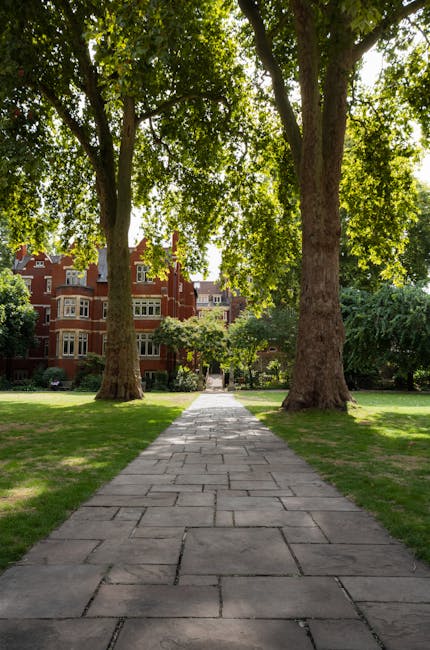
St Johns Wood is an area in northwest London best known for its residential streets, long-standing associations with urban village life and a distinctive mix of quiet squares, mansion blocks and tree-lined roads. It sits within the wider City of Westminster and is bordered by well-known parts of the capital including Regent’s Park to the south-east and Maida Vale to the west. The name is often linked with St John’s Wood High Street and the local underground station, but the area’s character is shaped just as much by its housing pattern and the calm, domestic atmosphere of many of its streets. Historically, the district developed from former woodland and open land into a highly desirable suburb during the nineteenth century, with later phases adding villas, terraces and larger apartment buildings. Lord’s Cricket Ground, one of the most recognisable landmarks in north-west London, sits within the area and gives St Johns Wood a notable sporting identity. Nearby open space and planting also contribute to the sense of greenery, with smaller garden squares and mature trees softening the built environment. The area has long attracted residents looking for a balance of central London access and a more settled neighbourhood feel. That combination can be seen in its architecture too: elegant period facades, converted buildings and carefully maintained homes sit alongside modern development, while the streets retain a strong sense of order and quiet continuity. This mix of built form and green outlook makes the area visually distinctive, with the public realm and private gardens both playing a part in how the district is experienced.
Seasonal mowing and the shape of the growing year

The demands on a lawn change through the year. In active growing periods, grass can need more frequent cutting to keep a neat surface and stop the lawn from becoming coarse or uneven. In slower months, the focus tends to shift towards maintenance, protecting the grass and avoiding unnecessary stress. A sensible mowing pattern follows the season rather than forcing the same treatment all year round. That keeps the lawn in better condition and supports a more even appearance.
Weather matters as much as the calendar. Wet grass can be harder to cut cleanly, while very dry conditions may call for a gentler approach to avoid stressing the turf. A lawn that has been left slightly too long after rain or warm weather may need a more considered first visit than a garden that is cut regularly. Where needed, mowing can be timed so the result is cleaner and the surface is left in a better state for the next visit.
For customers who want a broader outdoor refresh rather than isolated mowing, combined services can be a practical way forward. If you are also thinking about planting, layout changes or larger improvements, our landscaping page may be relevant because it covers the more extensive side of outdoor work that can sit alongside a maintained lawn.
Useful service choices when lawns need more than a simple cut
Sometimes mowing is only one part of what the garden needs. If the lawn has become overshadowed by overgrown shrubs, cluttered borders or stray branches, the wider condition of the space can affect the way the grass is maintained. In those cases, it can be more practical to address the surrounding work as well, so the lawn is not being cut into a messy or obstructed setting. That gives the mowing a better foundation.
Where trees are hanging low or dropping material into the lawn area, occasional tree work may be relevant before the grass can be kept properly tidy. We also understand that some customers prefer to separate routine mowing from bigger outdoor changes, which is why different service pages are useful for different priorities. The important thing is to match the work to the actual condition of the space rather than assuming a single visit will solve everything.
If tree growth is part of the issue, our tree lopping and removal page may be worth reviewing. It sits alongside mowing when larger vegetation is affecting light, access or the general tidiness of the garden.
H3: Access, frequency and the right mowing plan

The right mowing plan depends on how the lawn is used and how easy it is to reach. A front lawn visible from the street may call for a firmer routine than a sheltered rear lawn used less often. Shared access, narrow side passages and locked gates can all shape the way the job is arranged. None of that is unusual, but it does make a difference to how mowing is scheduled and carried out.
A good plan also takes account of frequency. If grass is cut at sensible intervals, the work is usually smoother and the finish more even. If the lawn has been neglected for a while, the initial visit may need to be more careful and followed by regular upkeep to bring it back into shape. The aim is not simply to cut once, but to keep the result manageable over time. Two short, clear points are often enough when arranging the work: what needs doing and how often you want it maintained. If that sounds suitable, please request a quotation and we can discuss the details further.
For customers who want to see the practical side of how a quote is put together, our pricing and quotes page gives a useful starting point before you make contact. You can also simply ask for a quotation in plain language and we will take it from there.
Finishing touches that make the lawn easier to live with
A well-cut lawn should look neat without feeling overworked. The best finish is usually one that sits naturally within the rest of the garden, with the right height, tidy edges and sensible handling of cuttings. When mowing is carried out carefully, the space becomes easier to walk across, easier to maintain and more pleasant to look at without needing constant attention. That is often what customers want from regular lawn care.
If the garden is part of a larger property presentation, ongoing mowing can be combined with related work to keep the outside area coherent. We can support this kind of upkeep through a practical service approach rather than turning the job into something complicated. For broader maintenance standards and the way we think about safe working, you may also find our insurance and safety page useful in understanding the framework behind the work.
When you are ready, ask for a quotation in a way that reflects the garden as it is now, not how it might look after the work is finished. A clear request makes it easier to match the mowing to the lawn and the space around it. Tell us what you need, and we can quote accordingly.