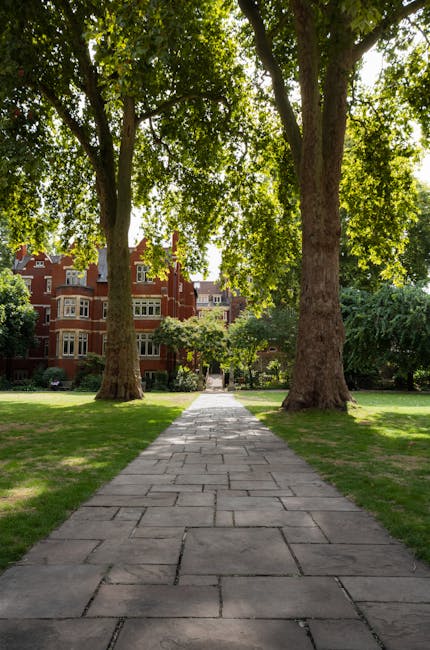
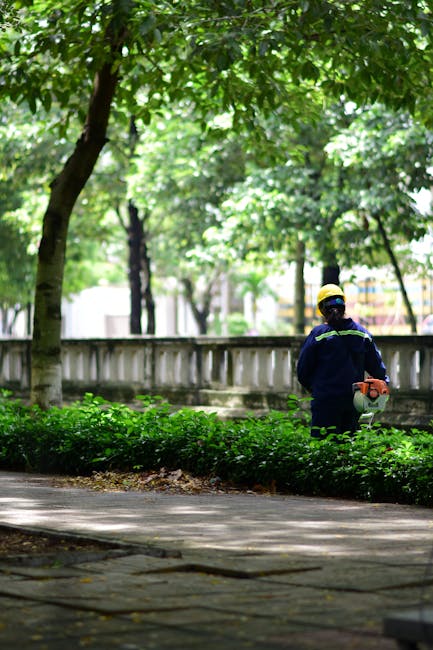
Garden maintenance near St Johns Wood station NW8: a practical guide for tidy, healthy outdoor spaces
If you live or work near St Johns Wood station, you will know the small things matter. A neat lawn, clipped hedges, weed-free borders and a garden that looks cared for can make a flat, townhouse, terrace or communal space feel calmer straight away. Garden maintenance near St Johns Wood station NW8 is not just about appearance either. It is about keeping plants healthy, preventing problems from building up, and making outdoor space usable without the weekend turning into a chore. Truth be told, most gardens do not go from tidy to wild overnight. They slip there quietly.
This guide explains what local garden maintenance usually involves, how a professional service works, what to expect, and how to decide whether you need regular help or a one-off tidy-up. It also covers practical standards, common mistakes, and the small details that make a real difference in London gardens where space can be tight, access can be awkward, and neighbours are often only a wall away.
For a wider overview of what a local team can help with, you can also look at the services overview. If you are comparing costs or need a clearer idea of what is included, the page on pricing and quotes is a useful starting point.
Table of Contents
- Why Garden maintenance near St Johns Wood station NW8 Matters
- How Garden maintenance near St Johns Wood station NW8 Works
- Key Benefits and Practical Advantages
- Who This Is For and When It Makes Sense
- Step-by-Step Guidance
- Expert Tips for Better Results
- Common Mistakes to Avoid
- Tools, Resources and Recommendations
- Law, Compliance, Standards, or Best Practice
- Options, Methods, or Comparison Table
- Case Study or Real-World Example
- Practical Checklist
- Conclusion
- Frequently Asked Questions
Why Garden maintenance near St Johns Wood station NW8 Matters
St Johns Wood has a particular feel to it: elegant streets, mature planting, compact front gardens, private courtyards, and communal outside spaces that need to look smart without becoming high-maintenance. In that setting, garden maintenance is less about dramatic landscaping and more about steady, sensible care. A garden can look expensive and still be exhausting to keep up with if the basics are not handled regularly.
There is also the local reality of urban gardening. Shade from buildings, leaf fall from nearby trees, pollution, wind tunnels between houses, and limited storage for tools all change how maintenance works. A patch that seems fine in April can look tired by June if lawns are not cut often enough or if hedges are left to harden off. And once weeds settle into paving or borders, they become strangely persistent. Garden maintenance near St Johns Wood station NW8 matters because small delays turn into bigger jobs very quickly.
That is especially true for homeowners who are out during the week, landlords who need a property presentable for viewings, and managing agents responsible for communal areas. In each case, the goal is similar: keep the space orderly, safe, and ready to use without constant firefighting.
Key takeaway: regular maintenance is usually cheaper, easier, and less stressful than letting jobs stack up until the garden needs a full reset.
For people who value simple, dependable upkeep, it helps to choose a provider that is clear about process and expectations. The pages on health and safety policy and insurance and safety are also worth reading if you want reassurance before booking anyone onto the property.
How Garden maintenance near St Johns Wood station NW8 Works
Most garden maintenance services begin with a quick understanding of the site. That sounds obvious, but it matters. A small terrace garden with stepping stones and one lawn needs a very different approach from a larger shared garden with hedges, shrubs, borders and seasonal planting. The first job is usually to assess what is actually there, what is growing well, and what is just hanging on by a thread.
A good maintenance visit often includes a mix of mowing, edging, hedge trimming, weeding, pruning, leaf clearance, deadheading, and general tidying. In practice, a service may be monthly, fortnightly, weekly, or seasonal, depending on how fast the garden grows and how visible it is to residents or visitors. Let's face it, a garden used every day needs a different rhythm from one that is looked at rather than walked through.
There may also be a separate approach for one-off clearance work. That is common if the garden has become overgrown, if a tenant has just moved out, or if you are preparing for spring or autumn. A one-off visit tends to focus on restoring control; ongoing maintenance then keeps it there. That sequence is usually the most efficient way to manage a tired outdoor space.
If you want a clearer sense of the wider service structure, the service overview explains the main categories. And if you prefer to understand how quoting works before you commit, the pricing and quotes page can help you think through the scope of work.
What usually happens on a typical visit?
- Initial check of the garden's condition and any access issues.
- Clearing obvious debris such as leaves, broken stems, and loose cuttings.
- Cutting or shaping the lawn, hedges, and key growth areas.
- Weeding borders, paths, and paved areas where needed.
- Trimming, pruning, and deadheading to keep plants tidy and healthy.
- Collecting and disposing of waste in line with agreed arrangements.
- Final visual check so the space looks finished, not half-done.
That final check sounds minor, but it is often the difference between a job that feels polished and one that just feels rushed.
Key Benefits and Practical Advantages
The obvious benefit is appearance. A maintained garden looks cared for, which matters whether you are welcoming guests, tenants, clients, or simply yourself after a long day. But the deeper value is in prevention. Regular work reduces the chance of a lawn getting scalped, hedges becoming woody and awkward to cut, or weeds going to seed and spreading everywhere.
There is also a comfort factor. A tidy garden is more likely to be used. You sit outside more. Children can play without stepping around overgrowth. A morning coffee outdoors feels possible, not aspirational. That may sound small, but it changes how a home feels.
For landlords and property managers, routine maintenance can support tenant satisfaction and make outdoor areas easier to present between tenancies. For busy households, it can free up time that would otherwise disappear into chores. And for older residents or anyone who does not want to climb ladders, wrestle with hedge trimmers or haul green waste bags around, professional help can be a practical relief.
| Benefit | What it means in practice | Why it matters locally |
|---|---|---|
| Regular presentation | Garden stays neat between visits | Important for visible front gardens and shared spaces |
| Healthier growth | Plants are pruned and cut at sensible times | Helps gardens cope with compact urban conditions |
| Less stress | Jobs are handled before they build up | Useful when time, storage, or access is limited |
| Safer outdoor areas | Paths, steps, and edges are kept clear | Reduces trip hazards and messy clutter |
The practical upside is often underappreciated. A good maintenance rhythm can actually save money because it avoids expensive recovery work later. A garden that has been looked after all season rarely needs the same level of correction as one that has been ignored until late summer.
Who This Is For and When It Makes Sense
This kind of service suits a wide range of people near St Johns Wood station NW8. The usual suspects are easy to guess: busy professionals, families, landlords, and managing agents. But the real answer is broader than that. Anyone who wants a garden to look decent without taking on the labour themselves may benefit.
It makes particular sense if your garden is:
- small but high-visibility, such as a front garden or courtyard
- shared by several households and needs consistent upkeep
- mostly lawn, where regular mowing matters more than occasional heavy work
- planted with hedges, shrubs, or seasonal beds that need shaping
- hard to access, with narrow side passages or limited storage for tools
- currently overgrown and needing a reset before regular care can begin
Some people only need help in spring and autumn. Others want year-round support because the garden is used often or the property is always on display. There is no single right answer. To be fair, the best schedule is usually the one you can actually keep to.
If you are unsure, a sensible approach is to start with a one-off tidy and then move to a regular cadence if the difference is worthwhile. That is often easier than signing up to a pattern that later turns out to be too much or not enough.
Step-by-Step Guidance
If you are trying to organise garden maintenance properly, a simple process works better than guessing. Here is a practical way to think it through.
1. Walk the garden slowly
Look at it as if you were seeing it for the first time. Which areas look tidy already? Which parts get muddy, shaded, or forgotten? Which plants seem healthy, and which are just surviving? A five-minute walk often reveals more than a quick glance from the back door.
2. Separate routine work from recovery work
Routine work includes mowing, edging, light pruning, weed control, and seasonal leaf clearing. Recovery work is more involved: cutting back overgrowth, removing dead material, rescuing a neglected border, or dealing with a patch that has become impossible to maintain casually. Mixing the two without a plan usually leads to disappointment.
3. Decide how often the garden actually needs attention
Lawns grow at different rates depending on shade, rainfall, soil, and the time of year. A north-facing garden may need a different rhythm from a sunny one. A biweekly visit may be plenty in cooler months, while spring can demand more frequent attention. That is normal.
4. Agree what is included
Be clear about what counts as maintenance and what counts as extra work. For example, is hedge trimming included? What about waste removal? What about clearing a shed area or moving heavy pots? These things can be discussed upfront rather than guessed later, which saves awkward conversations. Nobody enjoys those.
5. Set a seasonal plan
Good maintenance is not random. Spring is for rejuvenation, early growth management, and tidying after winter. Summer is usually about control and consistency. Autumn means leaf management and preparing plants for colder weather. Winter may be lighter, but it still matters if the garden collects debris or becomes slippery.
6. Review after the first couple of visits
Once you have seen how the garden responds, you can adjust the schedule. Maybe the lawn needs a slightly shorter interval. Maybe the borders are fine but the hedges need more attention. That kind of adjustment is sensible, not fussy.
Expert Tips for Better Results
A few small habits make a garden easier to maintain and much nicer to look at. They are not glamorous. They just work.
- Keep edges crisp. A lawn can be average and still look good if the edges are sharp. Sloppy edges make everything feel untidy.
- Don't let weeds seed. Once they flower and scatter, the problem multiplies. A quick pull now saves a longer battle later.
- Prune for shape, not just size. Cutting a shrub down because it is inconvenient is not the same as good pruning.
- Clear leaves before they mat. Wet leaf layers can block light, hold moisture, and make paths slippery.
- Match maintenance to the garden's character. A formal city garden needs a different finish from a softer, wildlife-friendly space.
- Think about access before the work starts. If tools and waste have to pass through narrow halls or shared entrances, plan that properly.
One small but important point: if a garden has a few tricky plants, label them or mention them. A lot of avoidable damage comes from someone cutting back the wrong thing at the wrong time. Not dramatic, just annoying. And avoidable.
You can also make maintenance easier by keeping a modest amount of storage space for hand tools, spare ties, plant feed, and bags. It sounds obvious, but in London that little bit of organisation can be the difference between quick upkeep and half an afternoon of rummaging.
Common Mistakes to Avoid
Most garden problems are not caused by one big mistake. They are caused by several small ones piling up. The most common error is waiting too long between visits. Once the grass is too long or the hedges have hardened, the work becomes slower and less precise.
Another frequent issue is overcutting. A lawn that is cut too short can scorch or thin out, especially in dry weather. The same goes for shrubs and climbers that are hacked back in one go. It may look tidy for a day, then the plant spends weeks recovering.
People also forget to plan for waste. Green waste seems light when it is trimmed but can become surprisingly bulky by the time it is bagged up. If you do not have a disposal plan, the site can feel unfinished even after the work is done.
Here are a few mistakes worth avoiding:
- booking only when the garden is already out of control
- assuming all maintenance is the same from month to month
- skipping hedge and edge work because mowing feels more obvious
- ignoring access issues until the day of the visit
- mixing ornamental pruning with general tidying without checking plant needs
- forgetting that seasonal timing matters, especially for flowering shrubs
And one more, slightly human one: trying to do everything in a rush on a Sunday afternoon because the weather finally looks decent. We have all seen that plan fall apart. Or maybe lived it.
Tools, Resources and Recommendations
The right tools make garden maintenance more efficient, safer, and neater. For basic upkeep, most professional teams will rely on lawn mowers, trimmers, shears, pruning tools, rakes, blowers, and waste bags or bins suited to the size of the job. The exact kit depends on the garden, of course.
If you are maintaining a small garden yourself between visits, it helps to keep things simple. A decent pair of shears, gloves, a hand fork, secateurs, a sturdy broom, and a mower appropriate for the lawn size can cover a lot. You do not need a shed full of gadgets. Sometimes that just creates more clutter.
Useful resources and support pages can also help you make a better decision before booking:
- pricing and quotes for understanding how service scope affects cost
- services overview for comparing routine and one-off work
- recycling and sustainability for how green waste and materials are handled
- payment and security for practical reassurance before arranging service
If the garden is large, complex, or shared, it is worth asking what happens to the cuttings and whether the service encourages sustainable disposal. In urban settings, recycling green waste responsibly is a quiet but meaningful part of the job.
Law, Compliance, Standards, or Best Practice
Garden maintenance in a residential setting is not usually a heavily regulated activity in the way some trades are, but best practice still matters. Safe work methods, proper equipment use, and sensible disposal of waste are all part of a professional standard. If a property has shared access, tenants, residents, visitors, or vulnerable occupants, care and communication matter even more.
In practical terms, good providers should be able to explain how they manage safety on site, what insurance or cover is in place, and how they handle potentially risky tasks such as using powered tools, working near glass, or operating in confined access routes. The details may vary, but the principle is simple: the work should be done carefully and responsibly, not just quickly.
It is also wise to check policies that show the business has thought about its duties rather than improvising. The pages on health and safety policy and insurance and safety can help with that. If you are concerned about wider supplier standards, there is also a modern slavery statement for transparency around ethical responsibility.
One more practical point: if maintenance work involves shared communal areas, it helps to keep records of what was done, when, and any issues noted on site. That is not bureaucracy for its own sake. It simply avoids confusion later.
Options, Methods, or Comparison Table
There is more than one way to look after a garden near St Johns Wood station NW8. The best choice depends on how much time you have, how visible the space is, and how much consistency you want.
| Option | Best for | Strengths | Limitations |
|---|---|---|---|
| One-off tidy-up | Overgrown gardens, pre-sale, end of tenancy | Fast reset, immediate improvement | Does not prevent future build-up |
| Regular maintenance | Busy homes, front gardens, communal spaces | Consistency, easier planning, better long-term results | Needs ongoing scheduling |
| Seasonal visits | Low-use gardens or part-time occupancy | Targeted care around spring and autumn | Can miss growth spurts in peak season |
| DIY plus occasional help | Smaller gardens with confident owners | Lower routine spend, flexible | Can drift if time runs short |
In real life, many people end up combining methods. A homeowner might handle light deadheading and watering, while a professional takes care of mowing, hedge work, and seasonal clearances. That can be a very sensible arrangement. No need to overcomplicate it.
Case Study or Real-World Example
Consider a small rear garden near the station: a narrow lawn, two raised beds, a hedge along one side, and a paved path that collects leaves and moss. It looks fine in early spring, then suddenly becomes a weekly annoyance. The grass grows unevenly because one side gets more light. The hedge starts to spill over. The path turns gritty, and the borders get dotted with weeds that were easy to ignore last month.
A sensible maintenance approach would start with a proper tidy-up. The lawn would be cut to a healthy height, not hacked down. The hedge would be shaped lightly rather than forced into a harsh box. The path would be cleared, the borders weeded, and the overall shape restored. After that, smaller regular visits would keep the garden under control.
That is the bit people often miss: the first visit is about getting the garden back into a manageable condition; the follow-up visits are about preserving that condition before the job grows teeth again. A good result is not the one that looks dramatic for a day. It is the one that still looks good three weeks later.
In a shared building, the same principle applies but the details change. A communal entrance garden may need quieter, tidier work with careful timing so residents are not disturbed. The emphasis might be on edge definition, path safety, and keeping the entrance presentable rather than doing anything elaborate. Sometimes that restraint is exactly what the space needs.
Practical Checklist
Use this simple checklist before arranging or reviewing garden maintenance near St Johns Wood station NW8.
- Know the space: lawn, hedges, borders, paving, pots, trees, and access points.
- Decide the priority: tidy-up, regular upkeep, seasonal work, or a mix.
- Check access: gates, side passages, shared entrances, and parking if needed.
- Clarify waste handling: what is removed, what stays, and where cuttings go.
- Confirm frequency: weekly, fortnightly, monthly, or seasonal.
- Ask about safety: tools, insurance, and on-site working practices.
- Review service scope: mowing, hedge trimming, weeding, pruning, leaf clearance, and edging.
- Note sensitive plants: anything that needs special timing or care.
- Think about presentation: especially for front gardens or communal spaces.
- Set a review point: after the first visit or two, adjust the plan if needed.
If you tick those off, you are usually in good shape. Not perfect, maybe. But good shape, yes.
Conclusion
Garden maintenance near St Johns Wood station NW8 works best when it is regular, practical, and suited to the space you actually have. A tidy garden is not just a visual bonus. It is easier to enjoy, safer to move through, and far less stressful to keep under control over the long run. Whether you need a one-off reset or ongoing support, the key is to match the work to the garden's real pace and the way you live with it.
Choose the level of help that makes the garden feel manageable, not burdensome. Keep the scope clear, ask sensible questions, and look for a service that treats the space with care. Small details matter here, and they add up quickly.
If you are comparing providers, it is worth checking practical pages such as services overview, pricing and quotes, and recycling and sustainability so you know exactly what you are getting. A bit of clarity at the start saves a lot of bother later.
Get a free quote today and see how much you can save.
And if you want the short version: a well-kept garden does more than look nice. It quietly makes everyday life feel more settled. That matters more than people think.
Frequently Asked Questions
What does garden maintenance near St Johns Wood station NW8 usually include?
It commonly includes mowing, edging, hedge trimming, pruning, weeding, leaf clearance, and general tidying. The exact mix depends on the garden size, plant types, and whether the work is routine or a one-off restoration.
How often should a garden be maintained in this area?
That depends on growth rate, season, and use. Many gardens benefit from fortnightly or monthly visits, while lawns and visible front gardens may need more frequent attention in spring and summer.
Is a one-off tidy-up enough if my garden has been neglected?
Sometimes, yes, but often a one-off tidy is only the first step. If growth returns quickly, a regular schedule usually keeps the space in better condition with less effort overall.
What is the difference between garden maintenance and gardening?
Garden maintenance usually refers to ongoing upkeep such as mowing, trimming, weeding, and clearing. Gardening can be broader and may include planting, redesign, soil improvement, or larger seasonal projects.
Do I need maintenance for a small courtyard garden?
Very often, yes. Small gardens can be surprisingly demanding because every detail is visible. A little weed growth or untidy edging stands out more in a compact space.
Can maintenance help if my lawn looks patchy or uneven?
It can help, especially if the issue is caused by poor cutting habits, shade, or irregular care. If the lawn is badly damaged, a more detailed treatment plan may be needed rather than routine mowing alone.
What should I ask before booking a local garden maintenance service?
Ask what is included, how often visits are recommended, how waste is handled, whether the team is insured, and how they manage access. Those practical questions usually tell you a lot.
Is hedge trimming normally included in garden maintenance?
Not always. Some services include light hedge trimming as part of routine maintenance, while heavier or taller hedge work may be quoted separately. It is best to confirm this upfront.
How do I know if my garden needs seasonal rather than regular maintenance?
If the space grows slowly and is not used much, seasonal care may be enough. If the garden is visible, used often, or prone to rapid growth, regular maintenance is usually the safer choice.
What happens to the green waste after maintenance?
That depends on the provider and the arrangement made beforehand. Some services remove green waste as part of the job, while others may leave it bagged for collection. If sustainability matters to you, check the provider's waste approach in advance and review their recycling and sustainability guidance.
Is garden maintenance disruptive for neighbours in shared buildings?
It can be if it is poorly timed or rushed, but good planning reduces the impact. Clear communication, sensible working hours, and tidy waste handling all help keep things neighbour-friendly.
How do pricing and quotes usually work for garden maintenance?
Prices are typically shaped by the garden size, scope of work, access, frequency, and whether waste removal is required. The most reliable way to understand cost is to request a quote based on the actual site and the tasks you want completed.