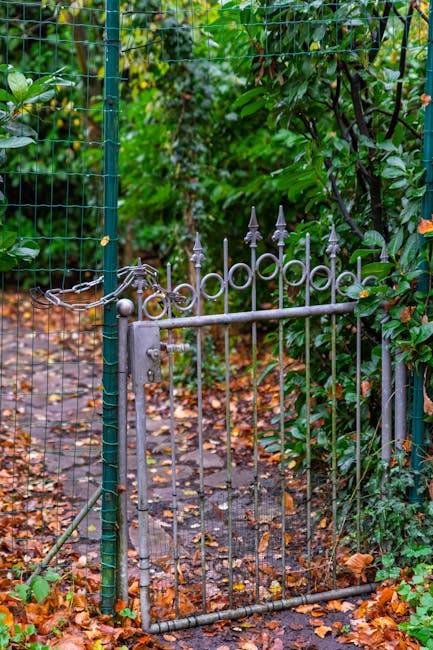
Access issues for gardeners in St Johns Wood mews: a practical guide for safer, smoother garden work
If you have ever tried to organise garden work in a mews in St Johns Wood, you will know the access can be the whole story. Not the shrubs. Not the lawn. The access. Narrow passageways, limited parking, shared entrances, awkward gates, no obvious place for a mower trailer, and the occasional "how on earth do we get the cuttings out?" moment can turn a simple visit into a carefully planned operation.
This guide looks at Access issues for gardeners in St Johns Wood mews in a clear, practical way. We will cover why access matters, how it affects day-to-day gardening, what good preparation looks like, and the common snags that trip people up. If you are a homeowner, landlord, managing agent, or a gardener trying to keep work efficient and tidy, this should help you avoid the usual headaches. Truth be told, most problems are preventable with a bit of planning.
Along the way, we will also point out when it makes sense to combine access planning with regular garden maintenance, garden clearance, or broader site planning through services overview so the whole job runs more smoothly.
Table of Contents
- Why access issues in St Johns Wood mews matter
- How access challenges typically work in practice
- Key benefits of planning access properly
- Who this is for and when it makes sense
- Step-by-step guidance
- Expert tips for better results
- Common mistakes to avoid
- Tools, resources and recommendations
- Law, compliance, standards and best practice
- Options, methods, and comparison table
- Case study or real-world example
- Practical checklist
- Conclusion
- Frequently asked questions
Why access issues for gardeners in St Johns Wood mews matters
Mews properties often look charming from the street, but behind that neat exterior there can be a lot of practical friction. A gardener may need to pass through a shared courtyard, work around parked cars, carry tools along a tight side passage, or move green waste through a gate that barely opens fully. All of that adds time, effort, and risk.
Why does this matter so much? Because access affects almost everything:
- how long the job takes
- what equipment can realistically be brought in
- how much noise and disruption is created
- how safely waste and materials can be moved out
- whether delicate features like paving, deck boards, or planting beds get damaged
In St Johns Wood, where properties are often compact, well-kept, and close together, small access issues can quickly become expensive inconveniences. A hedge trim that should be routine can stretch into a more complex visit if the trimmings have to be carried through a narrow internal route in several trips. That is not a disaster, but it does need to be anticipated.
There is also the customer experience side. Nobody wants a tidy front garden and a messy communal path left behind. If access planning is poor, you can end up with soil marks, scattered clippings, noisy manoeuvring, and irritated neighbours. Not ideal, especially in a close-knit mews where people notice everything.
Expert summary: Access is not a side issue in mews gardening. It is often the central planning factor. If you get access right, everything else becomes simpler, cleaner, and safer.
How access issues for gardeners in St Johns Wood mews works
Think of access as the route, the width, the timing, and the permissions needed to do the job without causing disruption. In a mews setting, those four things matter more than they might on a standard suburban property.
What gardeners usually need to check
- Entry width: Can a mower, barrow, ladder, or waste bag pass through comfortably?
- Turning space: Is there somewhere to pivot equipment without scraping walls or planters?
- Surface type: Is the route gravel, stone, decking, or something fragile that needs protection?
- Height clearance: Low arches, canopies, and hanging fixtures can be easy to overlook.
- Shared use: Does anyone else need access at the same time?
- Waste exit route: Where do cuttings, branches, soil, and bags leave the site?
Sometimes the issue is not physical width but logistics. For example, a gardener may be able to get in with hand tools just fine, but a larger clearance job may need multiple trips, smaller loads, or a different disposal plan. That is why a job that sounds straightforward on paper may need a more tailored approach in real life.
A good local gardener will usually ask for photos, a quick description of the entrance, and any known restrictions before arrival. If needed, they may suggest a more suitable service mix, such as pairing hedge trimming with lawn mowing in one visit instead of splitting jobs and creating repeated access problems. That small bit of coordination can save a lot of hassle.
And let's face it, gardeners are usually happiest when they can get on with the work instead of playing Tetris with bins, tools, and wheelbarrows.
Key benefits and practical advantages
Good access planning is not just about convenience. It has real practical pay-offs that matter to both clients and gardeners.
1. Faster, cleaner work
When access is clear, the team can arrive, unload, and start. That means less time spent carrying equipment around and more time spent actually improving the garden. Fewer trips also means less mess crossing through indoor or shared spaces.
2. Lower risk of damage
Narrow access routes can be tough on walls, gates, paving, edging, and decorative planting. A small misjudgement with a mower, hedge trimmer, or bag of clippings can mark a surface in seconds. Planning reduces that risk sharply.
3. Better scheduling
Gardeners working in mews properties often need to think about timing as much as tools. If parking is tricky, access is shared, or neighbour movement is high, a well-timed arrival makes the job smoother. A visit early in the day may be easier than one in the middle of a busy afternoon. Small detail, big difference.
4. Less disruption for neighbours
In compact streets and courtyards, the noise and movement of a job are more noticeable. Efficient access keeps visits shorter and tidier, which is usually appreciated by everyone nearby.
5. Better value for money
Clients often get better value when a job is planned properly because the gardener spends less time wrestling with logistics. A straightforward route means fewer delays and less wasted effort. If you want to understand how services are structured, it can help to look at pricing and quotes alongside the likely access complexity.
Who this is for and when it makes sense
This topic matters to a few different groups, and each one has slightly different priorities.
Homeowners and residents
If you live in a mews property, you may want regular garden care without disrupting your daily routine. Access planning helps you avoid awkward interruptions, especially if bins, bikes, pets, or children are already using the shared spaces.
Landlords and managing agents
For landlords, smooth access means fewer complaints, better upkeep, and less wear on the property. A well-managed garden can support the overall presentation of the home, which is no small thing in a premium area.
Gardeners and landscape teams
For professionals, access planning is a risk-management issue. It affects labour time, equipment choice, and whether the job is even viable with one visit or needs a phased approach. That is one reason many teams build planning into their standard process, especially for landscape gardening and longer-term outdoor projects.
When it makes sense to prioritise access planning
- when there is a narrow or shared entrance
- when large waste volumes are expected
- when the garden includes decking, raised beds, or fragile surfaces
- when hedge, tree, or clearance work creates bulky material
- when parking or unloading space is limited
If the job involves heavier branches or awkward green waste, it may be worth combining the visit with tree lopping and removal planning, so you are not caught out by bulky debris halfway through. That kind of joined-up thinking matters more than people expect.
Step-by-step guidance
Here is a simple approach that works well for mews properties. It does not need to be complicated, just organised.
- Walk the route before booking work. Check gates, side paths, shared driveways, and any low clearances. If you can, measure the narrowest point. A quick glance is not always enough.
- Take photos from both directions. This helps identify whether tools can be carried straight through or whether the route forces awkward turning or lifting.
- List the job requirements. Is it routine tidying, hedge cutting, a one-off clearance, lawn care, or a fuller redesign? Access needs can change a lot depending on the task.
- Check for shared-use issues. Ask who may need the route during the visit. School runs, deliveries, and neighbour parking can all interfere with the work, especially later in the day.
- Decide on waste handling. Know where green waste will go. If large amounts are likely, a more comprehensive garden clearance approach may be better than trying to manage it piecemeal.
- Match the tools to the access. Sometimes a smaller mower, foldable tools, or hand finishing is the smart choice. A big machine is not always the best machine. Slightly annoying, but true.
- Protect surfaces where needed. Use boards, mats, or careful lifting for delicate paths, decking, or stepping stones. A little protection can prevent a lot of repair work later.
- Confirm the plan before arrival. A short written note or message about timing, gate codes, and access instructions saves everyone time.
Once the route and constraints are clear, the gardening itself becomes much easier. For recurring visits, it often helps to build the access notes into a regular maintenance plan, especially if the garden needs repeated mowing, pruning, and seasonal tidying through the year.
Expert tips for better results
These are the kind of small, practical habits that tend to make the biggest difference in mews gardens.
Keep access notes up to date
Access changes. A gate gets repainted. A vehicle starts parking differently. A plant grows wider than anyone expected. So do not assume last month's setup still works perfectly. A quick refresh before each season is sensible.
Prefer one efficient visit over several fragmented ones
If access is awkward, multiple short visits can actually create more disruption than one carefully planned appointment. Bundling related tasks can be a better choice, such as combining hedge work with tidy-up work or pairing lawn care with small clearance tasks.
Think about the exit as much as the entry
People often plan how the gardener gets in, then forget how the clippings get out. That is how jobs become clumsy. Waste flow matters. If branches and bags have to move through a tight passage, plan the route in advance and keep it clear.
Use smaller loads for awkward properties
It is slower, yes. But with access constraints, smaller loads often reduce mess, reduce strain, and prevent accidental damage. The job may look a touch less dramatic, but it usually goes better.
Build in a little buffer time
In St Johns Wood mews settings, a perfectly smooth arrival is nice but not always realistic. A few extra minutes can absorb access checks, gate issues, or a neighbour's parked bike that needs moving. That buffer avoids rushed work, which is where silly mistakes happen.
For clients who want a long-term fix rather than a one-off tidy-up, it can also be worth looking at landscaping options that improve pathways, entry points, or working areas over time. Even modest changes can make future garden care much easier.
Common mistakes to avoid
Most access problems come from assumptions. People assume the gate is wide enough. They assume the lawnmower will fit. They assume waste can be taken out later without fuss. Then the morning arrives and, well, plans wobble a bit.
Assuming a standard tool kit will work everywhere
Not every garden is suited to full-size equipment. A mews garden may need a more flexible setup, especially where corners are tight or routes are delicate.
Ignoring waste volume
A small-looking hedge or border can produce more clippings than expected. If you have not planned waste removal, the site can become cluttered quickly. That is where a proper clearance or maintenance approach helps.
Forgetting about neighbour access
Shared entrances are common in mews layouts. If someone needs the route while work is in progress, tension builds fast. It is better to agree timing in advance than to work around conflict in real time.
Leaving fragile surfaces unprotected
Stone paths, decking, and painted surfaces can be marked by dragged equipment or wet debris. If the route is tight, protection is worth the effort. If a garden includes timber features, coordinating with decking services may be useful when access and surface care are closely connected.
Not clarifying who controls the gate or key
You would be surprised how often a job stalls because nobody is sure who is opening what. A single gate code or named contact can save ten minutes of standing about in the cold. Nobody enjoys that. Nobody.
Tools, resources and recommendations
You do not need a huge toolkit to handle access-sensitive garden work well. In fact, the best kit is often the kit that fits the site cleanly and quietly.
Useful practical tools
- compact hand tools for tight spaces
- foldable pruning equipment
- lightweight debris bags for easier carrying
- wheelbarrows or garden carts suited to narrow routes
- surface protection materials for paths and decking
- basic measuring tape for checking clearances
Helpful internal resources
If you are comparing services or trying to understand the wider support available, these pages are especially useful:
- garden maintenance for regular upkeep planning
- garden clearance for larger tidy-up work
- hedge trimming for access-heavy pruning jobs
- lawn mowing for routine mowing visits
- services overview for a broader view of available work
For trust and working standards, it is also sensible to review health and safety policy, insurance and safety, and the accessibility statement. Those pages help set expectations about how work is handled responsibly, which is reassuring when a property has awkward access or vulnerable surfaces.
Law, compliance, standards, and best practice
For garden access work, the legal and compliance side is usually less about one dramatic rule and more about doing the basics properly: protecting people, avoiding damage, and working with due care. In the UK, that generally means sensible risk assessment, safe movement of tools and materials, and clear communication with the property owner or occupier.
In practical terms, that means a gardener should think about:
- safe manual handling when carrying waste or equipment through tight routes
- slip and trip risks on wet stone, gravel, or decking
- avoiding unnecessary obstruction in shared mews entrances
- keeping tools secure and controlled in close quarters
- protecting property features that could be scratched, dented, or stained
Where work is more complex, a written note of access arrangements can be a useful best-practice habit, especially if multiple people manage the property. It does not need to be formal or overblown. Just clear. The classic "can you leave the gate code in the message" approach still works surprisingly well.
If a project involves larger-scale changes, then planning may also overlap with broader outdoor works such as landscape gardening or repeated site visits for garden maintenance. In those cases, keeping access simple and documented is usually the safest and cleanest way forward.
One more thing: if the route is shared, do not assume you can block it, even briefly, without thinking it through. A minute of inconvenience to you can be a much bigger inconvenience to someone else. That sounds obvious, but in real life it gets missed all the time.
Options, methods, and comparison table
Different mews gardens call for different access strategies. Here is a simple comparison to help you judge which approach fits best.
| Approach | Best for | Pros | Limitations |
|---|---|---|---|
| Full-size equipment | Wider access routes and open courtyards | Fast, efficient, suitable for larger jobs | Can be awkward or risky in narrow mews layouts |
| Compact tools and hand finishing | Tight entrances, delicate surfaces, small gardens | Flexible, safer in restricted spaces, less surface damage | Takes longer for bigger jobs |
| Phased visits | Heavy clearance, large hedge work, bulky waste | Reduces clutter and strain, easier to manage in stages | Requires more scheduling and coordination |
| Bundled maintenance | Regular upkeep with recurring access constraints | Efficient, predictable, less repeated disruption | Needs good advance planning and prioritisation |
In many St Johns Wood mews gardens, a hybrid approach is the smartest one. Use compact tools where access is tight, then switch to more efficient methods only where the route genuinely allows it. That is usually the sweet spot.
Case study or real-world example
Here is a realistic example. A small mews garden needed hedge trimming, edging, and a general tidy-up after a windy stretch in early spring. On paper, it was a half-day job. In practice, access was the main challenge: a narrow side passage, a shared entrance, and a fragile gravel area that could easily scatter underfoot.
Rather than bringing in larger gear, the work was planned around smaller hand tools, protective moving paths, and staged waste removal. The gardener started with the least disruptive tasks first, then moved the clippings out in manageable loads so the route stayed clear. The lawn area was finished last, once the heavier movement was done. Simple, but effective.
The real win was not speed. It was control. No wasted effort, no mess left in the shared route, and no awkward back-and-forth with equipment that would have been too bulky for the space. The client got a neat result, the neighbours were barely interrupted, and the final sweep-up took minutes rather than a second battle.
That kind of job is a good reminder that access planning is not just about avoiding problems. It often improves the end result too. You see the garden more clearly when you are not constantly working around avoidable obstacles.
Practical checklist
Use this checklist before any garden visit in a mews property. It is deliberately simple.
- Check gate widths and low clearances
- Confirm who has access permissions or codes
- Identify shared routes and likely pinch points
- Review the expected volume of waste
- Decide whether the job needs compact tools
- Protect delicate paving, decking, or borders if needed
- Plan entry and exit routes separately, if helpful
- Agree timing to avoid conflict with neighbours or deliveries
- Keep communication short, clear, and written where possible
- Build in time for the unexpected. There is usually one small surprise, isn't there?
If the garden is part of a longer-term upkeep plan, it can also help to link access notes with about us information, so everyone understands the working style, and with contact us when you need to confirm instructions quickly.
Get a free quote today and see how much you can save.
Conclusion
Access issues for gardeners in St Johns Wood mews are not a niche concern. They are part of the job, and in many cases they are the part that determines whether the job feels smooth or stressful. When access is planned properly, the work is safer, cleaner, faster, and usually better value too.
The good news is that most access problems are manageable. A few measurements, a couple of photos, sensible timing, and the right tool choice can make a big difference. If you are dealing with a compact mews garden, do not leave access to guesswork. Small details matter here. They really do.
And once the route is sorted, you can get back to the bit everyone actually wants: a garden that looks cared for, feels calm, and works beautifully in its space.
Frequently Asked Questions
What are the main access issues for gardeners in St Johns Wood mews?
The main issues are narrow entrances, shared passageways, limited parking, fragile surfaces, and awkward waste removal routes. In mews settings, even small obstructions can slow the work down.
Why does access matter so much for garden maintenance?
Access affects how quickly a job can be done, what equipment can be used, and how safely waste can be removed. It also affects the risk of damage to gates, walls, paving, and planting.
Should I measure the gate or passage before booking a gardener?
Yes, if the access looks tight. A rough measurement helps the gardener decide whether compact tools are needed and whether larger equipment will fit safely.
Can gardeners work in a mews garden without leaving mess behind?
Usually, yes, if the route is planned properly and the waste flow is managed carefully. Protective handling, staged removal, and tidying as you go make a big difference.
Do access problems make garden work more expensive?
They can, because awkward access often takes more time and may require different equipment or a phased visit. That said, good planning can reduce the extra cost considerably.
What should I tell a gardener before they arrive?
Share gate details, access codes if relevant, photos of the route, any parking restrictions, and anything that might affect timing or waste removal. The more practical detail, the better.
Is compact equipment always better for mews gardens?
Not always, but it is often the safest choice where access is tight. The best equipment depends on the size of the job and the shape of the route, not just the garden itself.
How can I protect decking, paving, or stone paths during garden work?
Use careful movement, keep loads manageable, and place protective materials where needed. If a garden includes timber features, it may be sensible to coordinate with decking work or surface protection in advance.
What if the garden waste is too bulky for the access route?
That is where a planned clearance approach helps. Breaking the work into stages, using smaller loads, or arranging a broader tidy-up can keep the route usable.
Are there special safety considerations for shared mews entrances?
Yes. Shared entrances need clear timing, good communication, and a careful approach to avoiding obstruction. Slips, trips, and manual handling risks also matter more in tight spaces.
How often should access arrangements be reviewed?
At least whenever the garden changes significantly, or if the route becomes tighter, busier, or less suitable. Seasonal reviews are a sensible habit, especially for regular maintenance.
Where can I find more information about services and trust details?
Useful starting points include the services overview, health and safety policy, insurance and safety, and accessibility statement.
What is the best first step if my mews garden has awkward access?
Take a few photos, note the narrowest points, and speak clearly about the job you want done. From there, a gardener can usually recommend the safest and most efficient approach without fuss.